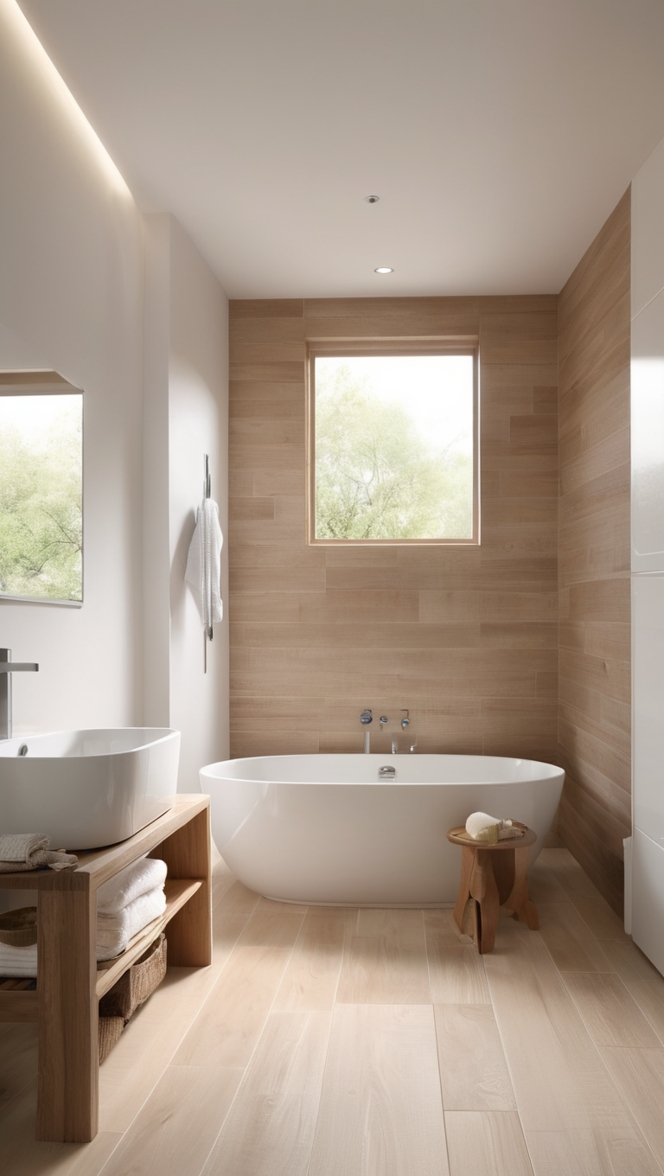
Ready to elevate your bathroom design with wood plank tile, ceramic wood tile, and porcelain wood tile? Let’s dive in!
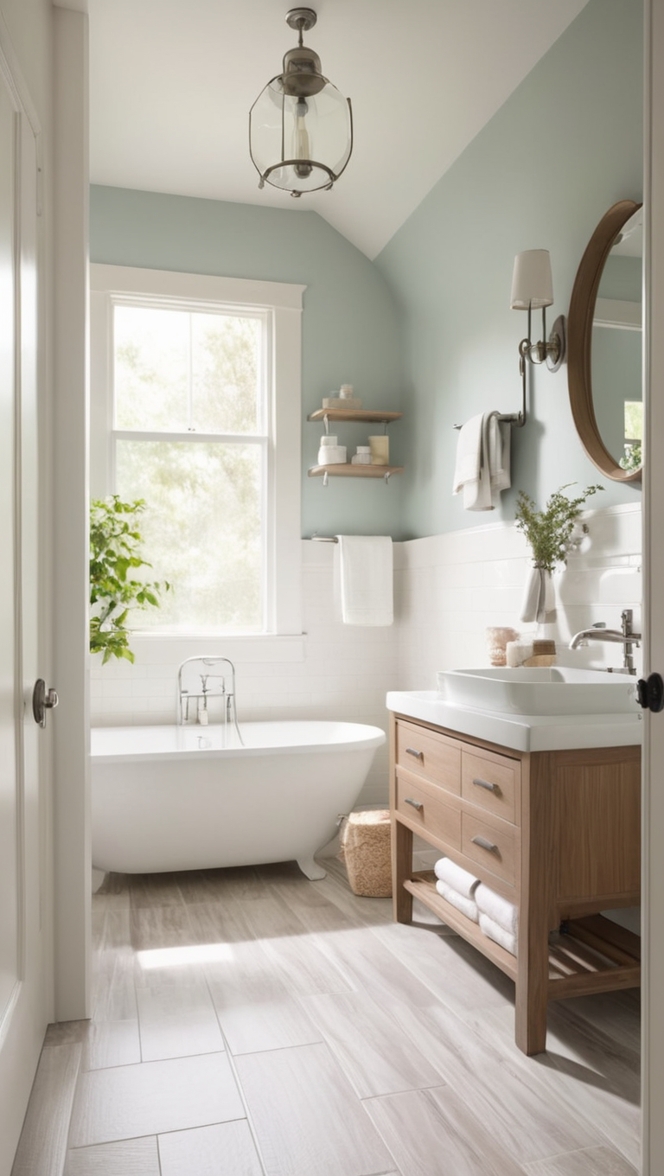
Disclosure: This post contains affiliate links. We may earn a commission at no extra cost to you.
Wood effect tiles can be incorporated in your bathroom design to achieve a stylish and natural look without the maintenance issues of real wood. They are durable, water-resistant, and easy to clean, making them ideal for bathrooms. To ensure a cohesive design, consider matching the tiles with other wooden elements in the bathroom, such as cabinets or accessories. Be mindful of the grout color to complement the tiles effectively. Additionally, ensure proper installation to prevent water damage.
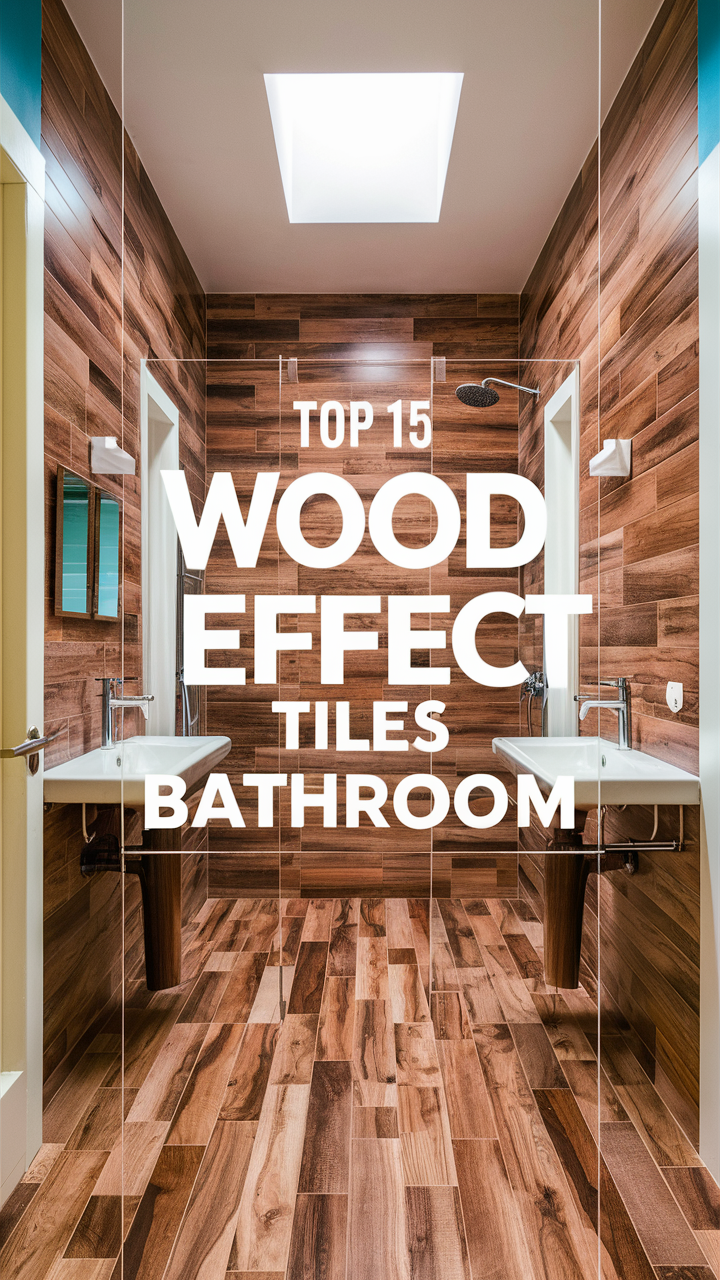
Wood effect tiles have become increasingly popular in bathroom design due to their versatility, durability, and aesthetic appeal. As a homeowner who has incorporated wood effect tiles in my bathroom design, I can attest to the numerous benefits and design possibilities they offer. In this article, I will share my personal experience and insights on how to effectively incorporate wood effect tiles in your bathroom design.
### Are wood effect tiles suitable for bathrooms?
One of the first questions that may come to mind when considering wood effect tiles for your bathroom is their suitability for this space. As a homeowner, I can confidently say that wood effect tiles are indeed suitable for bathrooms. Unlike real wood flooring, wood effect tiles are water-resistant and do not warp or rot in humid environments. This makes them an excellent choice for bathrooms where moisture levels are high.
### What are the benefits of using wood effect tiles in a bathroom?
There are several benefits to using wood effect tiles in a bathroom. Firstly, they provide the warmth and natural beauty of wood without the maintenance requirements of real wood flooring. Wood effect tiles are easy to clean and maintain, making them a practical choice for bathrooms. Additionally, wood effect tiles come in a variety of colors, textures, and sizes, allowing you to create a customized and unique look in your bathroom.
### How can I choose the right wood effect tiles for my bathroom?
When selecting wood effect tiles for your bathroom, consider factors such as color, size, texture, and finish. As a homeowner who has gone through the selection process, I recommend choosing tiles that complement the overall design scheme of your bathroom. Opt for lighter shades to create a sense of spaciousness or darker tones for a more cozy and intimate feel. Textured wood effect tiles can add depth and character to your bathroom, while a matte or glossy finish can enhance the overall aesthetic.
### What are some popular design ideas for incorporating wood effect tiles in bathrooms?
There are endless design possibilities when it comes to incorporating wood effect tiles in bathrooms. From creating a rustic cabin-inspired retreat to a modern spa-like oasis, the options are limitless. As a homeowner who loves the natural look of wood, I chose to create a zen-inspired bathroom by using wood effect tiles on the floor and walls. I paired the tiles with sleek fixtures and minimalist decor to achieve a harmonious and serene ambiance.
### How do wood effect tiles compare to real wood flooring in terms of maintenance and durability?
One of the advantages of wood effect tiles over real wood flooring is their low maintenance requirements and superior durability. As a homeowner who values practicality and longevity, I chose wood effect tiles for my bathroom due to their resistance to water, scratches, and stains. Unlike real wood flooring, wood effect tiles do not require regular sealing or refinishing, making them a cost-effective and hassle-free option for bathrooms.
### Can wood effect tiles be used in all areas of the bathroom, including the shower area?
Wood effect tiles can be used in all areas of the bathroom, including the shower area. As a homeowner who wanted a cohesive look throughout my bathroom, I extended the wood effect tiles from the floor to the walls of the shower enclosure. To ensure water-tightness and durability, I selected porcelain wood effect tiles that are specifically designed for wet areas. By incorporating wood effect tiles in the shower area, I was able to create a seamless and visually striking design.
### What are some tips for ensuring a seamless and cohesive look when using wood effect tiles in a bathroom design?
To achieve a seamless and cohesive look when using wood effect tiles in a bathroom design, consider the following tips:
– Choose wood effect tiles that complement the existing elements in your bathroom, such as cabinetry, countertops, and fixtures.
– Use the same type of wood effect tiles throughout the bathroom to create a unified and harmonious space.
– Consider mixing different sizes or laying the tiles in a herringbone or chevron pattern for added visual interest.
– Incorporate natural elements such as plants, wood accents, or stone finishes to enhance the organic feel of the wood effect tiles.
– Pay attention to lighting and choose fixtures that highlight the texture and warmth of the wood effect tiles.
In conclusion, incorporating wood effect tiles in your bathroom design can transform the space into a stylish and inviting retreat. As a homeowner who has experienced the benefits and design possibilities of wood effect tiles firsthand, I highly recommend considering them for your next bathroom renovation. With the right selection and placement, wood effect tiles can elevate the look and feel of your bathroom while providing durability and easy maintenance.
Wood effect tiles have become a popular choice for bathroom design, as they provide a stylish and natural look without the maintenance issues that come with real wood. These tiles are durable, water-resistant, and easy to clean, making them ideal for bathrooms. When incorporating wood effect tiles into your bathroom design, there are several key ideas to consider to achieve a cohesive and stylish look.
1. Choose the Right Color Palette: When selecting wood effect tiles for your bathroom, consider the overall color palette of the space. Opt for tiles that complement the existing colors in the room, such as the cabinets, walls, and fixtures. Popular wood effect tile colors include oak, walnut, and gray tones.
2. Match with Wooden Elements: To create a cohesive design, consider matching the wood effect tiles with other wooden elements in the bathroom. This could include wooden cabinets, shelving, or accessories. By incorporating multiple wooden elements, you can create a harmonious and natural look in the space.
3. Consider Grout Color: The color of the grout used with wood effect tiles can have a significant impact on the overall look of the bathroom. Choose a grout color that complements the tiles effectively, such as a light gray or beige tone. Avoid using stark white grout, as it can create a harsh contrast with the tiles.
4. Ensure Proper Installation: Proper installation of wood effect tiles is essential to prevent water damage and ensure longevity. Hire a professional installer who has experience working with these types of tiles to ensure they are properly placed and sealed. This will help maintain the integrity of the tiles and prevent any water infiltration.
5. Add Texture and Variation: Wood effect tiles come in a variety of textures and finishes, such as matte, glossy, or textured. Consider mixing different textures and finishes to add depth and interest to the bathroom design. This can create a more dynamic and visually appealing space.
6. Create a Focal Point: Use wood effect tiles to create a focal point in the bathroom, such as an accent wall or a statement floor. This can help draw the eye and add visual interest to the space. Consider using patterned tiles or different tile sizes to create a unique focal point.
7. Incorporate Natural Elements: To enhance the natural look of wood effect tiles, consider incorporating other natural elements into the bathroom design. This could include plants, stone accents, or wooden accessories. By blending different natural elements, you can create a harmonious and inviting space.
8. Opt for Large Format Tiles: Large format wood effect tiles can create a seamless and modern look in the bathroom. These tiles can make the space feel larger and more open, as there are fewer grout lines breaking up the design. Consider using large format tiles on the floor or walls for a sleek and contemporary aesthetic.
9. Use Wood Effect Tiles in Unique Ways: Get creative with how you use wood effect tiles in the bathroom design. Consider using them on the shower walls, as a backsplash, or even on the ceiling for a dramatic effect. By thinking outside the box, you can create a truly unique and personalized space.
10. Mix and Match Materials: Don’t be afraid to mix and match different materials in the bathroom design. Combine wood effect tiles with other materials, such as marble, concrete, or metal, to create a visually interesting and eclectic look. This can add depth and dimension to the space while showcasing your personal style.
In conclusion, wood effect tiles are a versatile and stylish option for bathroom design. By following these key ideas and incorporating them into your design, you can achieve a cohesive, natural, and visually appealing look in your bathroom. Remember to focus on the keyword ‘wood effect tiles bathroom’ throughout the article to ensure it is optimized for search engines. With the right design choices and attention to detail, you can create a stunning bathroom that is both functional and beautiful.