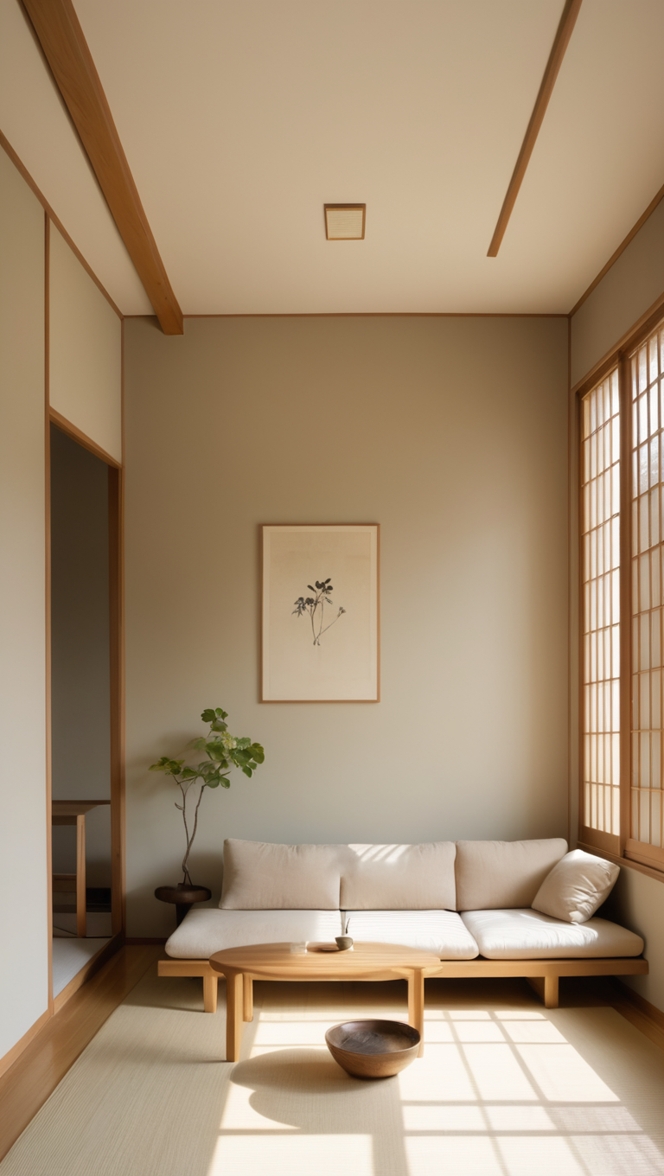
Discover the key features of a Japanese minimalist living room, including traditional tatami mats and modern Asian furniture.
Disclosure: This post contains affiliate links. We may earn a commission at no extra cost to you.
Japanese minimalist living rooms are characterized by clean lines, simple furniture, and neutral color palettes. To create a Japanese minimalist living room in your home, consider incorporating natural materials like wood and bamboo, decluttering your space, and using traditional Japanese elements like paper lanterns or tatami mats. Benefits of a minimalist living room include a sense of calm and tranquility, while risks may include potential lack of storage space. Stay organized by regularly decluttering and reevaluating your decor choices.
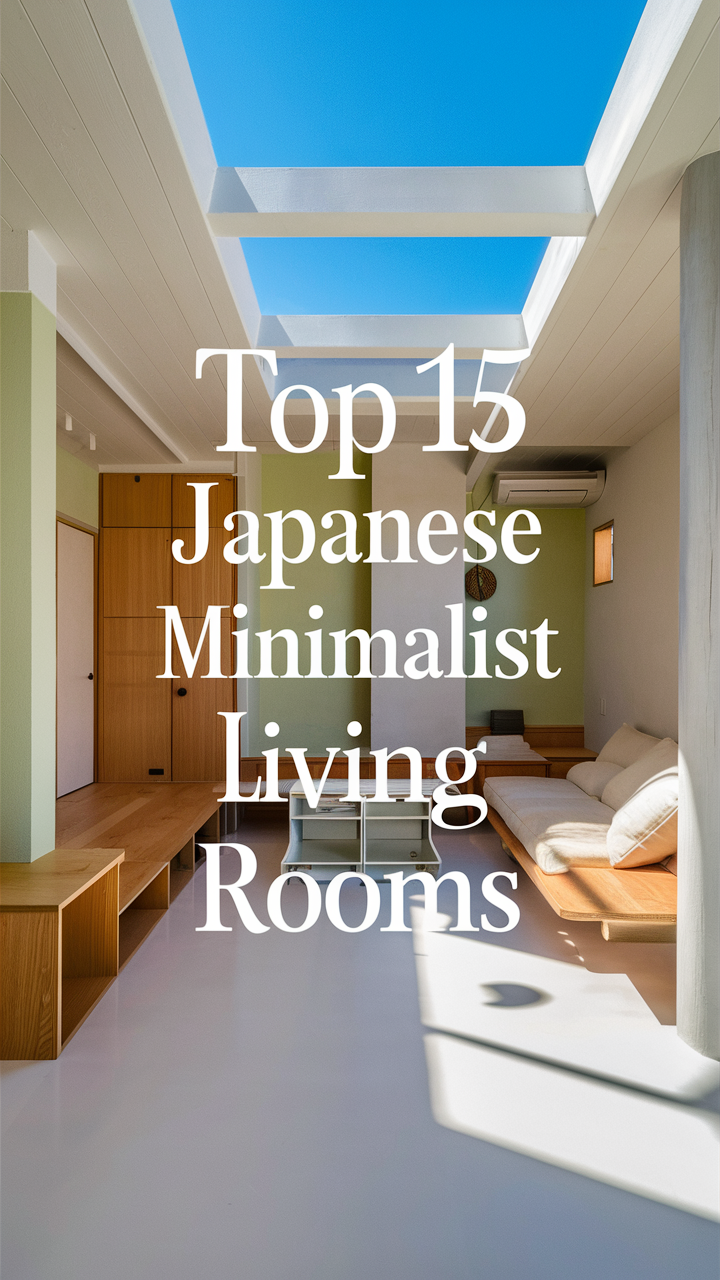
## Key Features of a Japanese Minimalist Living Room
As a homeowner who appreciates the beauty of Japanese minimalist design, I have found that incorporating key features into my living room has transformed the space into a tranquil haven. Let’s delve into the elements that make a Japanese minimalist living room unique and inviting.
### 1. What colors are typically used in a Japanese minimalist living room?
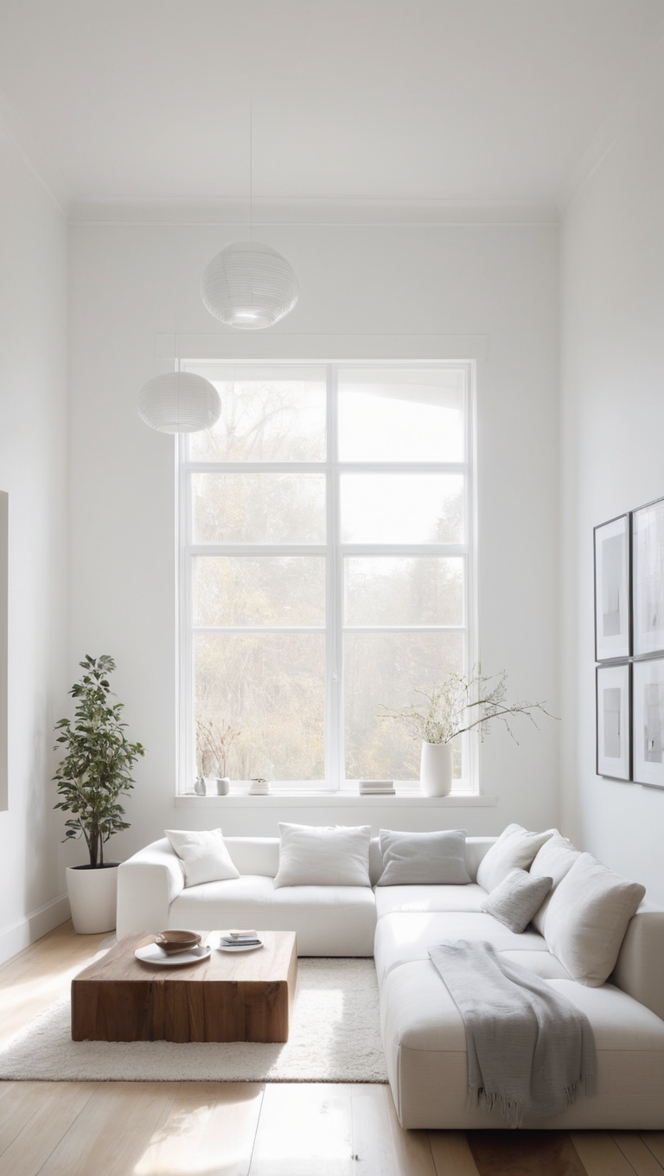
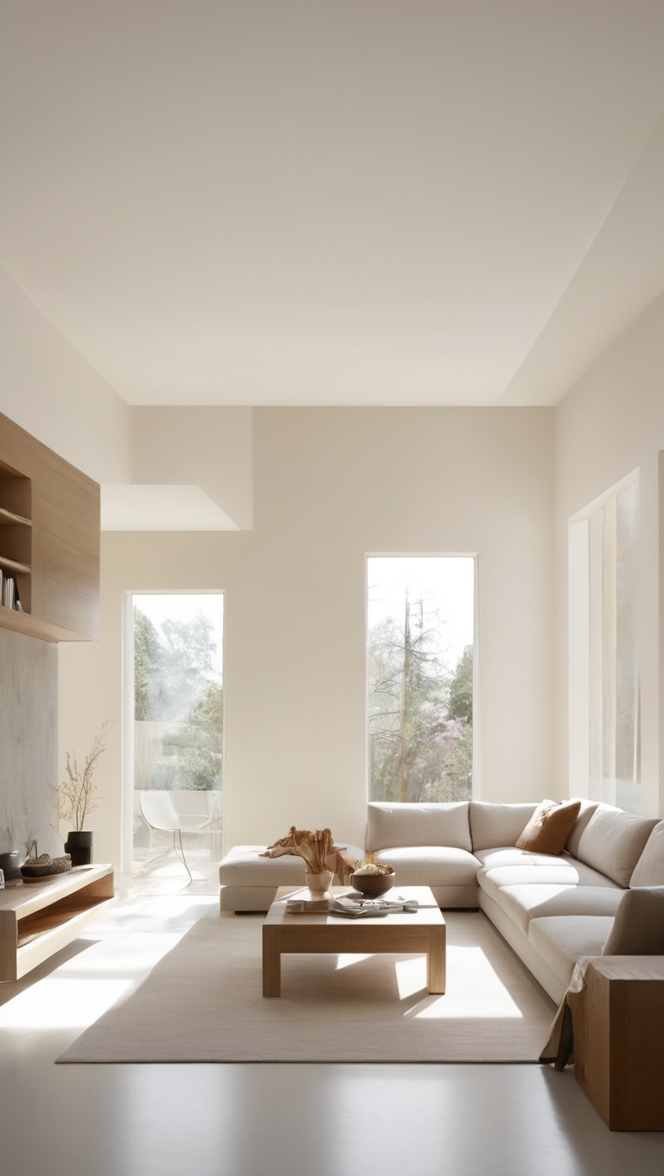
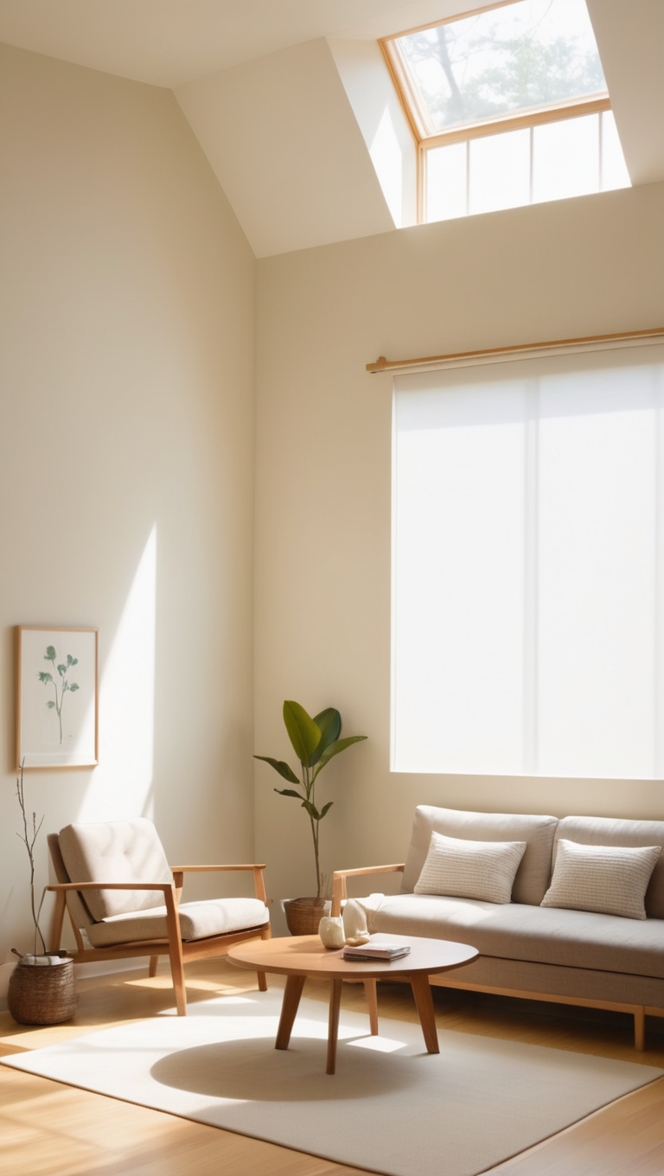
In a Japanese minimalist living room, a neutral color palette is often favored to create a sense of calm and serenity. Shades of white, beige, grey, and soft earth tones are commonly used to evoke a feeling of simplicity and sophistication. These colors not only brighten the space but also provide a clean and uncluttered look that is characteristic of Japanese design.
### 2. What furniture pieces are essential in a Japanese minimalist living room?
When it comes to furniture in a Japanese minimalist living room, less is more. Simple and streamlined pieces with clean lines are preferred to maintain a sense of openness and flow. Low-profile seating such as floor cushions or a tatami mat can create a cozy and intimate seating area, while a low coffee table adds functionality without overwhelming the space. Incorporating natural materials like wood and bamboo further enhances the organic and harmonious feel of the room.
### 3. How is natural light incorporated into the design of a Japanese minimalist living room?
Natural light is a crucial element in Japanese minimalist design as it helps to create a sense of spaciousness and connection to the outdoors. Large windows or sliding doors are often used to maximize the entry of natural light, while sheer curtains or shoji screens can diffuse the light and add a soft, ethereal quality to the room. Positioning furniture to allow for unobstructed views of the natural light source can further enhance the tranquil ambiance of the space.
### 4. What role do plants and natural elements play in a Japanese minimalist living room?
Plants and natural elements are essential in a Japanese minimalist living room as they bring a touch of nature indoors and promote a sense of balance and harmony. Simple arrangements of bonsai trees, bamboo, or Ikebana flower displays can add a sense of tranquility and elegance to the room. Incorporating natural textures like stone, wood, or paper lanterns further enhances the connection to the natural world and creates a peaceful and inviting atmosphere.
### 5. How is storage optimized in a Japanese minimalist living room?
In a Japanese minimalist living room, storage solutions are designed to be discreet and integrated seamlessly into the space. Built-in cabinets, hidden storage compartments, or multi-functional furniture pieces like a storage ottoman or a wall-mounted shelf can help minimize clutter and maintain the clean and uncluttered look that is characteristic of minimalist design. By prioritizing functionality and organization, storage solutions in a Japanese minimalist living room can enhance the overall aesthetic and create a sense of calm and order.
### 6. What are some traditional Japanese design elements that can be included in a minimalist living room?
Traditional Japanese design elements such as tatami mats, sliding doors, shoji screens, and paper lanterns can be incorporated into a minimalist living room to infuse the space with authenticity and cultural richness. Tatami mats provide a warm and soft flooring option that is comfortable for sitting and walking, while sliding doors and shoji screens allow for flexible room configurations and the diffusion of natural light. Paper lanterns add a soft and ambient glow to the room, creating a serene and inviting atmosphere that is characteristic of Japanese design.
### 7. How can simplicity and functionality be balanced in a Japanese minimalist living room design?
Balancing simplicity and functionality in a Japanese minimalist living room design is key to creating a space that is both aesthetically pleasing and practical. By selecting furniture and decor items that serve a purpose and have a timeless and understated design, you can create a harmonious and balanced living room that promotes relaxation and tranquility. Opting for multi-functional pieces like a storage ottoman or a modular sofa can help maximize space and functionality without sacrificing the minimalist aesthetic. Embracing the principles of wabi-sabi, which celebrates imperfection and impermanence, can also add a sense of authenticity and warmth to the space.
In conclusion, a Japanese minimalist living room embodies the principles of simplicity, tranquility, and harmony. By incorporating key features such as a neutral color palette, simple furniture pieces, natural light, plants and natural elements, optimized storage solutions, traditional Japanese design elements, and a balance of simplicity and functionality, you can create a space that is both serene and inviting. As a homeowner who has embraced the beauty of Japanese minimalist design, I have found that these elements have transformed my living room into a peaceful sanctuary where I can relax, unwind, and connect with the beauty of nature and simplicity.
12 Unique Ideas for Creating a Japanese Minimalist Living Room
Japanese minimalist living rooms are known for their clean lines, simple furniture, and neutral color palettes. If you want to create a serene and peaceful living space inspired by Japanese design principles, consider the following ideas:
1. Incorporate Natural Materials
Use natural materials like wood, bamboo, and stone to add warmth and texture to your space. Opt for furniture and decor items made from sustainable materials for an eco-friendly touch.
2. Declutter Your Space
Get rid of any unnecessary clutter and keep only the essentials. Embrace the minimalist philosophy of “less is more” to create a sense of openness and tranquility in your living room.
3. Choose a Neutral Color Palette
Stick to neutral colors like white, beige, and gray for a calming and cohesive look. Consider adding pops of color with accent pieces like cushions or artwork.
4. Use Traditional Japanese Elements
Incorporate traditional Japanese elements like paper lanterns, tatami mats, and shoji screens to add authenticity to your minimalist living room. These elements can also help create a sense of harmony and balance in your space.
5. Opt for Low Furniture
Choose low-profile furniture pieces like floor cushions, low coffee tables, and minimalist sofas to create a sense of spaciousness in your living room. This will also help maintain clean lines and an uncluttered look.
6. Embrace Natural Light
Maximize natural light in your living room by using sheer curtains or blinds that allow sunlight to filter in. Natural light not only brightens up the space but also creates a sense of connection to the outdoors.
7. Add Indoor Plants
Bring a touch of nature indoors by incorporating houseplants into your minimalist living room. Plants not only add visual interest but also help purify the air and create a sense of tranquility.
8. Create a Meditation Corner
Designate a cozy corner of your living room for meditation or relaxation. Add a comfortable cushion, a small table for candles or incense, and a few soothing decor items to create a peaceful retreat within your space.
9. Display Minimalist Artwork
Choose artwork that complements the minimalist aesthetic of your living room. Opt for simple and abstract pieces that evoke a sense of calm and serenity, avoiding cluttered or busy designs.
10. Incorporate Textural Elements
Add textural elements like woven rugs, soft throws, and tactile cushions to create a sense of coziness and warmth in your minimalist living room. Mix and match textures for visual interest while maintaining a clean and uncluttered look.
11. Create a Zen Garden
Consider adding a small indoor zen garden or rock garden to bring a sense of tranquility and mindfulness to your living room. Arrange rocks, sand, and miniature plants in a minimalist design for a peaceful focal point.
12. Personalize with Minimalist Decor
Add personal touches to your minimalist living room with carefully curated decor items that reflect your style and personality. Opt for quality over quantity and choose items that bring you joy and enhance the overall ambiance of your space.
By incorporating these unique ideas, you can create a Japanese minimalist living room that exudes harmony, simplicity, and tranquility. Remember to stay organized, declutter regularly, and reevaluate your decor choices to maintain a peaceful and balanced living space.